
Menu

Patricia C. Amedee 4401 Waldeck Street
Grapevine Nashville, TX 76051

(001) 88451234
(001) 88455438
Patricia C. Amedee 4401 Waldeck Street
Grapevine Nashville, TX 76051
(001) 88451234
(001) 88455438
Menu
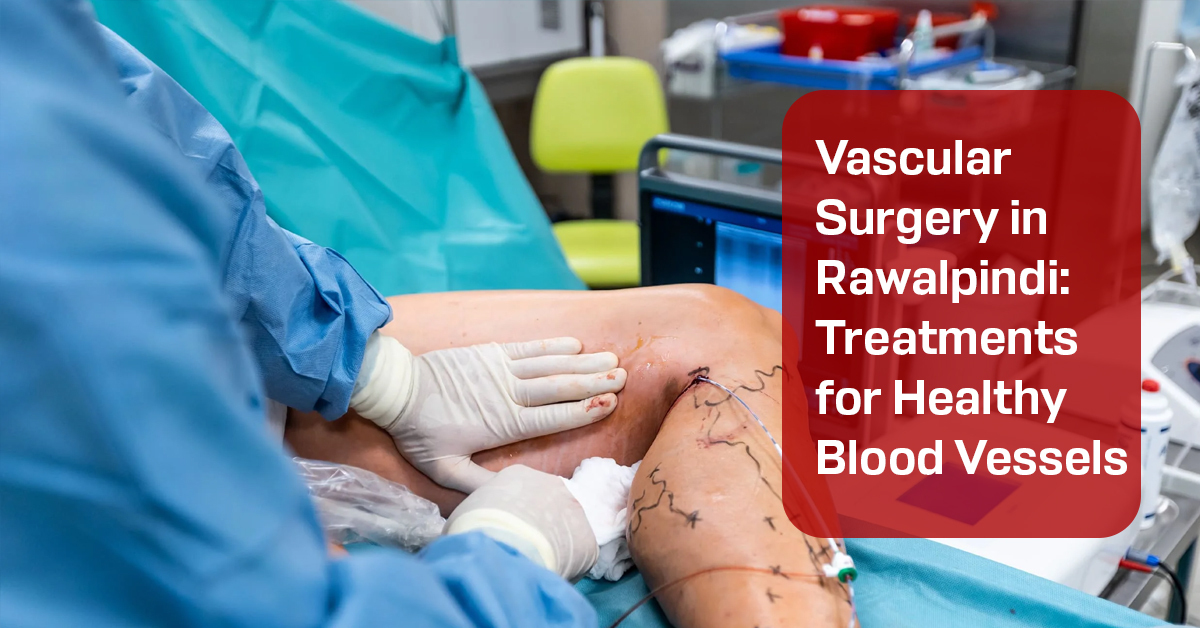
Many people in Rawalpindi live with leg pain, swelling, and discomfort for years. They often ignore early signs. Heavy legs at the end of the day. Visible veins that slowly worsen. Pain while walking short distances. These symptoms affect daily life and mobility. In many cases, they point toward vascular disease.
Lack of awareness is a major problem. People assume circulation issues are normal with age. Others rely on home remedies or delay medical care. Over time, poor blood flow damages veins and arteries. This leads to skin changes, chronic pain, and non-healing wounds. Delayed treatment increases health risks and reduces quality of life.
Vascular surgery in Rawalpindi offers reliable treatment for these conditions. Modern techniques now allow safe diagnosis and effective care. With timely medical attention, blood flow can be improved and complications prevented. This blog explains vascular surgery in Rawalpindi in a clear and practical way. It helps you understand symptoms, treatments, recovery, and when to seek professional care.
What Is Vascular Surgery? Understanding Blood Vessel Health
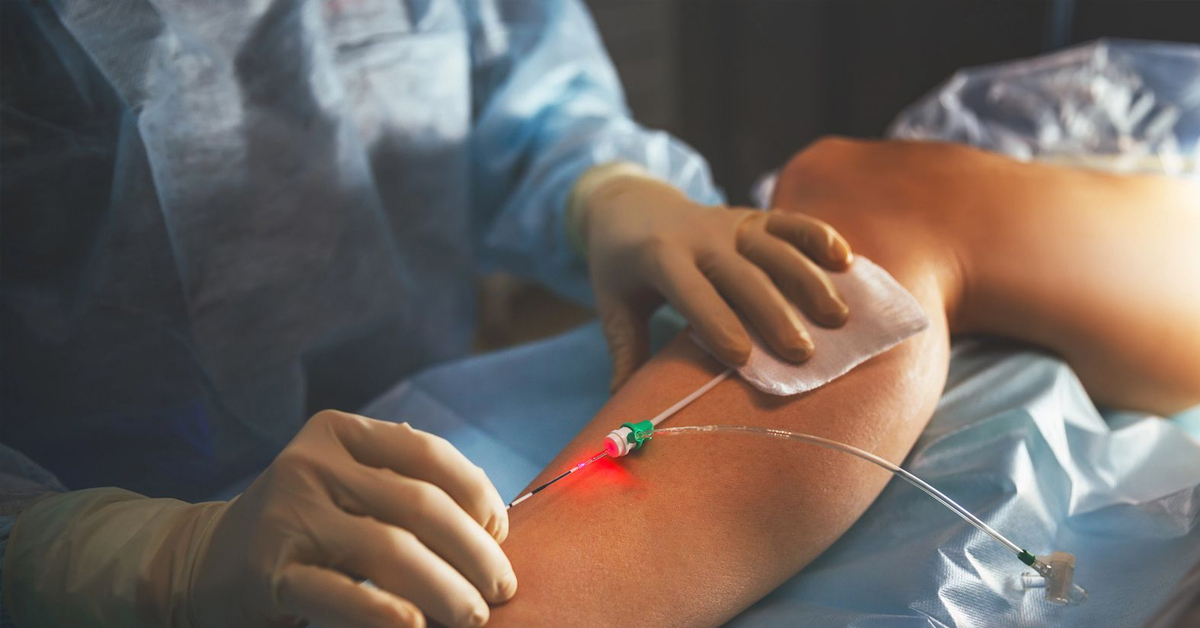
Vascular surgery is a medical specialty that focuses on diseases of blood vessels. These include arteries, veins, and lymphatic vessels. The heart itself is not included. However, all vessels connected to circulation fall under vascular care. Vascular surgery in Rawalpindi now follows updated medical protocols and diagnostic standards.
Healthy blood vessels allow smooth circulation throughout the body. Arteries carry oxygen-rich blood from the heart. Veins return blood back to the heart. When vessels weaken or narrow, circulation slows. This leads to pain, swelling, and tissue damage.
Vascular surgery addresses both urgent and long-term conditions. Treatment may involve lifestyle changes, medication, minimally invasive procedures, or surgery.
The Role of Arteries and Veins in the Body
Arteries and veins work together to keep tissues healthy.
Problems arise when:
- Arteries become blocked or narrowed
- Vein valves stop working properly
- Blood pools in the legs
- Circulation slows over time
Poor vessel function increases the risk of infection, ulcers, and tissue damage.
When Vascular Surgery Becomes Necessary
Vascular surgery becomes necessary when non-surgical treatment is not enough.
It is often recommended for:
- Severe vein disease
- Blocked arteries
- Recurrent swelling and pain
- Risk of blood clots
- Poor wound healing
Arterial surgery aims to restore blood flow and prevent serious complications.
Common Vascular Conditions Treated in Rawalpindi
Vascular surgery in Rawalpindi treats a wide range of vein and artery disorders. Early diagnosis helps prevent disease progression and reduces the need for major surgery.
Varicose Vein Treatment in Rawalpindi
Varicose veins are enlarged and twisted veins that usually appear in the legs. They develop when vein valves fail to push blood upward.
Common symptoms include:
- Heavy or aching legs
- Swelling around ankles
- Visible blue or purple veins
- Itching or burning sensation
- Skin discoloration
Risk factors include:
- Long hours of standing
- Obesity
- Pregnancy
- Family history
- Aging
Varicose vein treatment reduces discomfort and improves circulation. Early care also prevents skin damage and ulcers.
Vein Treatment in Rawalpindi for Circulation Disorders
Vein treatment in Rawalpindi also addresses chronic venous insufficiency. This condition develops when veins cannot return blood efficiently to the heart.
Signs of venous circulation problems include:
- Persistent leg swelling
- Tight or painful calves
- Skin thickening near ankles
- Dark patches on the skin
- Slow-healing wounds
Vascular surgery in Rawalpindi offers structured treatment plans to manage these conditions and improve blood flow.
Arterial Surgery and Treatment for Blocked Arteries
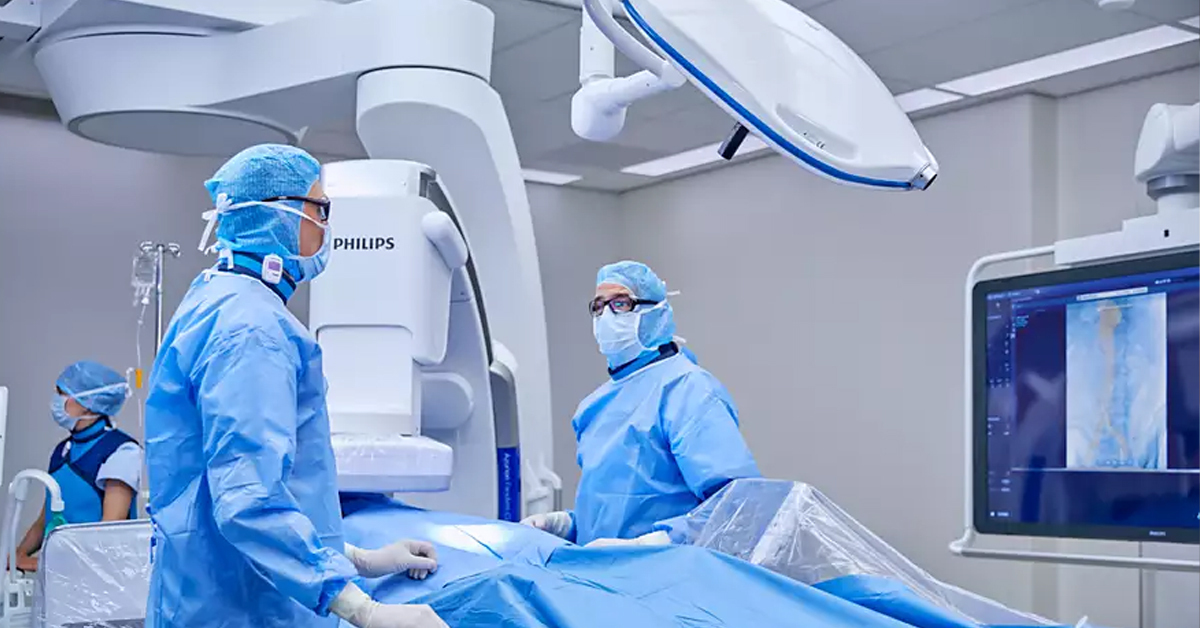
Arterial disease is a serious condition that requires prompt medical attention. Blocked arteries reduce oxygen supply to muscles and tissues.
Causes of Arterial Blockages
Several factors contribute to arterial disease.
Common causes include:
- Atherosclerosis
- Diabetes
- High blood pressure
- Smoking
- High cholesterol
- Sedentary lifestyle
These factors damage artery walls and restrict circulation.
Goals of Arterial Surgery
Arterial surgery focuses on restoring blood flow and protecting limb function.
Primary goals include:
- Reducing pain during movement
- Improving walking distance
- Preventing tissue death
- Lowering the risk of amputation
Vascular surgery in Rawalpindi emphasizes early detection to avoid severe outcomes.
Minimally Invasive Vascular Procedures for Faster Recovery
Modern vascular surgery has advanced significantly. Many treatments now use minimally invasive techniques. These procedures reduce trauma and shorten recovery time.
What Are Minimally Invasive Vascular Procedures
Minimally invasive vascular procedures use small incisions and image-guided tools.
Common approaches include:
- Catheter-based vein treatments
- Endovascular arterial procedures
- Image-guided vessel repair
These methods often require local or regional anesthesia.
Benefits Compared to Traditional Surgery
Minimally invasive vascular procedures offer several patient benefits.
Key advantages include:
- Less pain after treatment
- Reduced scarring
- Shorter hospital stay
- Lower infection risk
- Faster return to daily activities
Vascular surgery in Rawalpindi increasingly uses these techniques when suitable.
Who Needs Vascular Surgery in Rawalpindi
Not all vascular problems require surgery. However, certain symptoms should never be ignored.
Warning Signs That Need Medical Evaluation
You should seek medical advice if you experience:
- Leg pain while walking
- Persistent swelling
- Skin color changes
- Open wounds that heal slowly
- Sudden coldness in limbs
These signs may indicate serious circulation problems.
Importance of Early Diagnosis
Early diagnosis allows timely intervention.
Benefits of early care include:
- Slower disease progression
- Fewer complications
- Better response to treatment
- Improved quality of life
Vascular surgery in Rawalpindi is most effective when treatment starts early.
Recovery, Lifestyle Changes, and Long-Term Care
Recovery depends on the type of treatment and patient health. Most patients improve with proper follow-up care and lifestyle adjustments.
Recovery After Vascular Surgery
Recovery plans are customized for each patient.
General recovery guidance includes:
- Gentle walking as advised
- Proper wound care
- Medication adherence
- Regular follow-up visits
Pain and swelling usually improve gradually.
Lifestyle Adjustments for Vascular Health
Long-term success depends on healthy habits.
Recommended changes include:
- Balanced diet
- Regular physical activity
- Weight management
- Smoking cessation
- Blood sugar and pressure control
These steps support long-term vascular health.
Vascular Surgery Services at Hanif Medical Complex
Hanif Medical Complex provides vascular surgery in Rawalpindi with a strong focus on patient safety and ethical care. Our services are designed to meet individual patient needs.
Our Vascular Care Approach
We follow evidence-based treatment protocols.
Our services include:
- Detailed vascular assessment
- Advanced diagnostic imaging
- Individualized treatment planning
- Minimally invasive options when appropriate
Why Patients Trust Our Vascular Services
Our team emphasizes safety and transparency.
Patients benefit from:
- Experienced vascular specialists
- Modern medical facilities
- Coordinated care across departments
- Structured post-treatment monitoring
Care Beyond the Procedure
Support continues after treatment.
We provide:
- Recovery guidance
- Lifestyle counseling
- Follow-up evaluations
- Long-term patient education
Making the Right Decision for Vascular Health
Choosing vascular treatment requires careful thought. Understanding your condition helps reduce fear and uncertainty.
Patients are encouraged to:
- Ask questions
- Learn about treatment options
- Understand risks and benefits
- Follow professional advice
Vascular surgery in Rawalpindi offers reliable solutions when guided by expert care.
Conclusion
Vascular health plays a vital role in overall well-being. Untreated vein and artery conditions can limit mobility and cause long-term damage. With proper medical care, these conditions can be managed effectively.
Modern vascular surgery in Rawalpindi provides safe and advanced treatment options. Early diagnosis, skilled specialists, and patient education improve outcomes and comfort.
If you are experiencing symptoms related to poor circulation or vascular disease, timely care matters. Contact Hanif Medical Complex today to schedule a consultation and take a confident step toward healthier blood vessels.
Frequently Asked Questions (FAQs)
1. What conditions are treated through vascular surgery in Rawalpindi?
Vascular surgery in Rawalpindi treats conditions affecting veins and arteries, including varicose veins, blocked arteries, poor circulation, chronic swelling, and non-healing wounds caused by vascular disease.
2. When should someone consider vascular surgery in Rawalpindi?
Vascular surgery in Rawalpindi should be considered when symptoms such as leg pain, swelling, skin discoloration, or difficulty walking persist despite lifestyle changes or medication.
3. Is vascular surgery in Rawalpindi safe for older patients?
Yes, vascular surgery in Rawalpindi can be safe for older patients when proper medical evaluation is done. Minimally invasive procedures are often preferred to reduce recovery time and risk.
4. How long does recovery take after vascular surgery in Rawalpindi?
Recovery after vascular surgery in Rawalpindi depends on the procedure type. Many minimally invasive treatments allow patients to resume daily activities within a few weeks.