
Menu

Patricia C. Amedee 4401 Waldeck Street
Grapevine Nashville, TX 76051

(001) 88451234
(001) 88455438
Patricia C. Amedee 4401 Waldeck Street
Grapevine Nashville, TX 76051
(001) 88451234
(001) 88455438
Menu
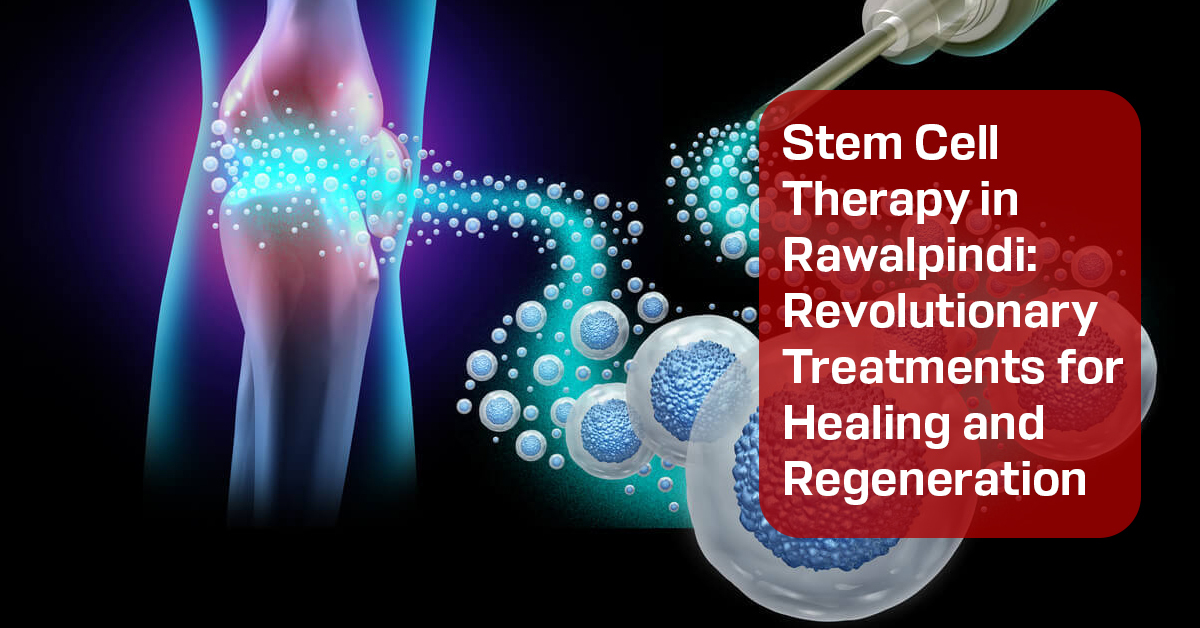
Chronic joint pain, slow healing injuries, and long-term discomfort affect many people in Rawalpindi. These problems often limit movement and daily activities. Patients try medicines, injections, and therapy. Many still struggle to find lasting relief. Surgery may not always feel like the right option.
Frustration grows when pain returns again and again. Some patients are too young for joint replacement. Others want to delay surgery for as long as possible. This has increased interest in advanced medical options that support the body’s natural healing process. Patients now seek treatments that focus on repair rather than temporary relief.
Stem cell therapy in Rawalpindi is emerging as a promising option for selected patients. It focuses on regeneration and healing at a cellular level. When guided by proper medical evaluation, it may support joint health and tissue repair. This blog explains stem cell therapy in Rawalpindi in a clear and responsible way. It covers how it works, who may benefit, safety considerations, and how to make informed decisions.
What Is Stem Cell Therapy? Understanding Regenerative Medicine
Stem cell therapy is a medical approach that uses the body’s own repair mechanisms. Stem cells have the ability to develop into different types of cells. They also support healing by reducing inflammation and promoting tissue repair. Stem cell therapy in Rawalpindi is part of the broader field of regenerative medicine.
Regenerative medicine focuses on restoring damaged tissues rather than only treating symptoms. Unlike conventional treatments that manage pain, regenerative approaches aim to support healing from within. This makes stem cell therapy different from routine injections or medication.
Basics of Regenerative Medicine in Rawalpindi
Regenerative medicine in Rawalpindi is carefully applied under medical supervision. It focuses on controlled and ethical use of stem cells.
Key concepts include:
- Supporting natural tissue repair
- Reducing inflammation
- Improving joint function
- Enhancing healing response
Stem cell therapy does not replace surgery in all cases. It may be considered when appropriate based on medical assessment.
Types of Stem Cells Used in Medical Treatment
Most clinical stem cell treatments use adult stem cells. These are commonly taken from the patient’s own body.
Common sources include:
- Bone marrow
- Fat tissue
- Blood-derived cells
Using the patient’s own cells reduces the risk of rejection and complications. Safety and proper handling are critical at every step.
Medical Conditions Treated with Stem Cell Therapy in Rawalpindi
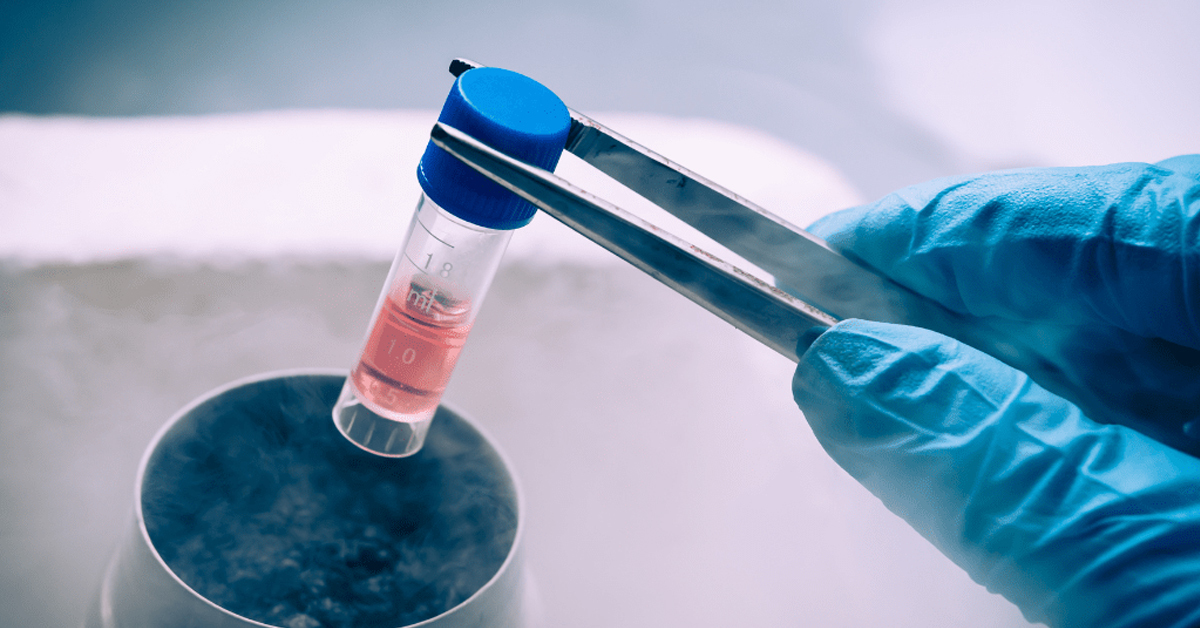
Stem cell therapy in Rawalpindi is used for selected conditions where tissue repair and inflammation control are important. It is not suitable for every medical problem. Proper diagnosis is essential.
Stem Cell Treatments for Joint Pain and Degeneration
Stem cell treatments are often considered for joint-related conditions.
Common applications include:
- Early osteoarthritis
- Chronic joint pain
- Joint stiffness
- Inflammatory joint conditions
These treatments aim to support joint healing and reduce discomfort. Results may vary depending on disease severity and patient health.
Cartilage Repair and Joint Healing Applications
Cartilage damage is difficult to treat because cartilage heals slowly. Stem cell therapy may help support cartilage repair in selected cases.
Applications include:
- Mild to moderate cartilage damage
- Early joint degeneration
- Post-injury joint healing
- Sports-related joint injuries
Stem cell therapy in Rawalpindi focuses on improving joint environment rather than replacing damaged joints.
How Stem Cell Therapy Works in Clinical Practice
Understanding the treatment process helps patients make informed decisions. Stem cell therapy follows a structured medical approach.
Evaluation and Patient Selection
Not every patient is suitable for stem cell therapy. Proper evaluation is essential.
Assessment includes:
- Medical history review
- Physical examination
- Imaging studies such as X-rays or MRI
- Severity of joint or tissue damage
This step ensures safety and realistic expectations.
Treatment Process and Administration
Once a patient is approved, the procedure is planned carefully.
The general process includes:
- Collection of stem cells from the patient
- Processing and preparation in a controlled environment
- Targeted injection into the affected area
- Monitoring after the procedure
The procedure is usually minimally invasive and performed on an outpatient basis.
Benefits and Limitations of Stem Cell Therapy
Stem cell therapy in Rawalpindi offers potential benefits but also has limitations. Understanding both is important for ethical decision-making.
Potential Benefits of Stem Cell Therapy in Rawalpindi
Stem cell therapy may offer several advantages for selected patients.
Potential benefits include:
- Minimally invasive treatment
- Reduced inflammation
- Support for natural healing
- Shorter recovery time
- Possible delay of surgery
These benefits depend on individual response and condition severity.
Limitations and Medical Considerations
Stem cell therapy is not a guaranteed cure. Results can vary.
Important limitations include:
- Not effective for advanced joint collapse
- Requires realistic expectations
- May need repeat treatments
- Long-term outcomes vary
Medical supervision and honest discussion are essential parts of care.
Who May Benefit from Stem Cell Therapy in Rawalpindi
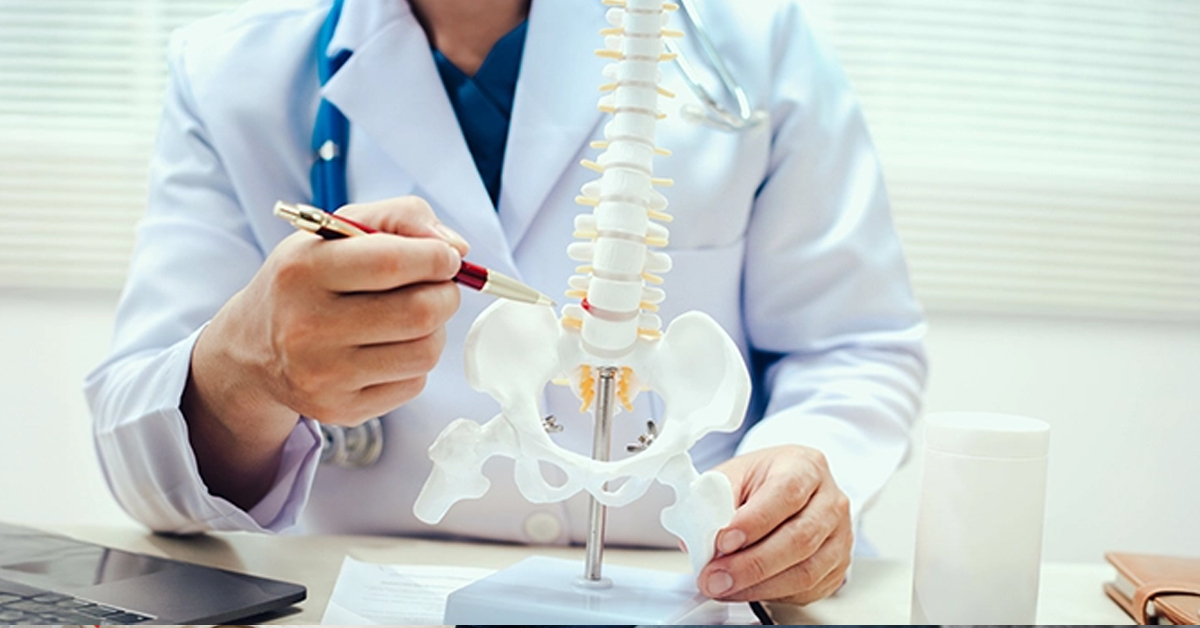
Patient selection plays a key role in treatment success. Stem cell therapy is most effective in specific situations.
Suitable Candidates
Stem cell therapy may be suitable for:
- Patients with early joint damage
- Individuals with chronic joint pain
- Those seeking non-surgical options
- Patients not ready for joint replacement
A personalized evaluation helps determine suitability.
Who Should Avoid or Delay Treatment
Some patients may not benefit from stem cell therapy.
Treatment may not be advised for:
- Severe joint destruction
- Active infections
- Certain blood disorders
- Advanced degenerative disease
Medical guidance helps avoid unnecessary treatment.
Safety, Ethics, and Regulation in Stem Cell Therapy
Safety and ethics are critical in regenerative medicine. Stem cell therapy in Rawalpindi must follow evidence-based medical practice.
Importance of Ethical Medical Practice
Ethical care avoids exaggerated claims and false promises.
Responsible practice includes:
- Clear explanation of benefits and limits
- Evidence-based recommendations
- Patient education
- Informed consent
Patients should be cautious of unverified treatments.
Role of Qualified Specialists
Stem cell therapy should only be provided by trained medical professionals.
Qualified specialists ensure:
- Proper patient selection
- Safe handling of stem cells
- Accurate injection techniques
- Monitoring of outcomes
This protects patient safety and treatment integrity.
Stem Cell Therapy Services at Hanif Medical Complex
Hanif Medical Complex provides stem cell therapy in Rawalpindi with a focus on medical ethics and patient safety. Our approach emphasizes careful evaluation and responsible care.
Our Regenerative Care Approach
We follow structured medical protocols.
Our services include:
- Detailed medical assessment
- Diagnostic support
- Eligibility evaluation
- Ethical treatment planning
Why Patients Choose Our Stem Cell Services
We prioritize patient understanding and safety.
Patients benefit from:
- Experienced medical specialists
- Controlled clinical environment
- Transparent communication
- Multidisciplinary care support
Care Beyond the Procedure
Support continues after treatment.
We provide:
- Post-treatment monitoring
- Follow-up evaluations
- Lifestyle guidance
- Long-term care planning
Making an Informed Decision About Stem Cell Therapy
Stem cell therapy is a medical decision that requires careful thought. Patients should understand what the treatment can and cannot do.
Important steps include:
- Asking detailed questions
- Reviewing medical findings
- Understanding expected outcomes
- Considering alternative options
Stem cell therapy in Rawalpindi is most effective when chosen for the right reasons and conditions.
Conclusion
Regenerative medicine is changing how certain conditions are treated. Stem cell therapy offers a potential option for healing and tissue repair when applied responsibly. It focuses on supporting the body’s natural ability to heal.
Stem cell therapy in Rawalpindi should always be guided by medical evaluation and ethical practice. Not every patient is a candidate, but for selected individuals, it may offer meaningful benefits.
If chronic pain or joint problems are affecting your quality of life, expert guidance is important. Contact Hanif Medical Complex today to schedule a consultation and learn whether stem cell therapy may be suitable for you.
Frequently Asked Questions (FAQs)
1. What is stem cell therapy in Rawalpindi used for?
Stem cell therapy in Rawalpindi is used for selected medical conditions where tissue repair and healing are needed, such as joint pain, early arthritis, cartilage damage, and certain chronic injuries.
2. Is stem cell therapy in Rawalpindi safe?
Stem cell therapy in Rawalpindi is considered safe when performed under proper medical supervision using ethical protocols and patient evaluation. Safety depends on correct patient selection and qualified specialists.
3. Who is a suitable candidate for stem cell therapy in Rawalpindi?
Stem cell therapy in Rawalpindi may be suitable for patients with early joint degeneration, chronic joint pain, or those seeking non-surgical treatment options after medical assessment.